

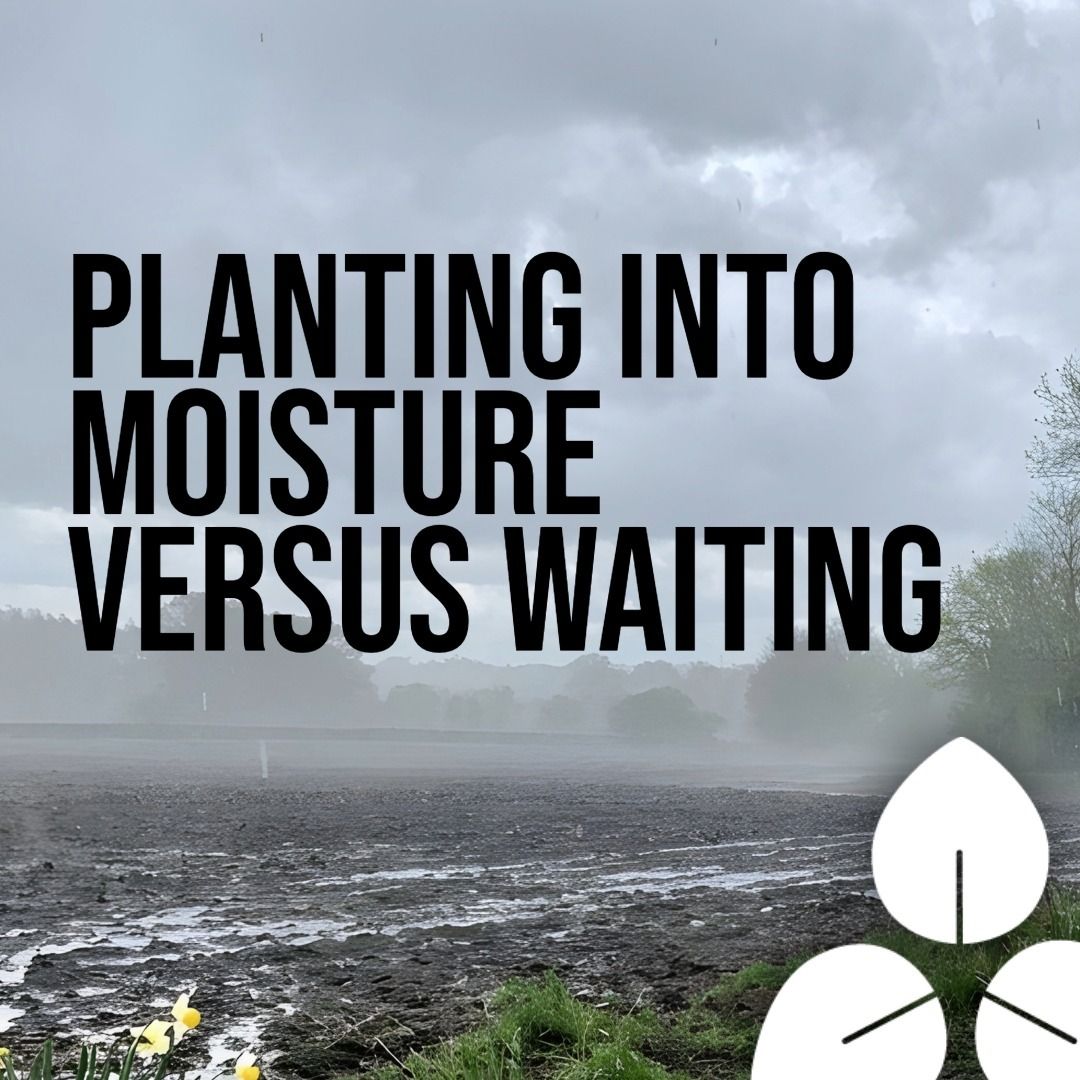

Overapplying fertilizer can increase salt pressure around the seed and roots, making it harder for the plant to absorb water and nutrients. The right rate, source, timing, and placement help feed the crop without overwhelming it.

Please join us in welcoming Kamari to the Tri-Ag team. We’re excited about the expertise, ideas and technology leadership he brings to the organization.

Excessive moisture doesn't automatically mean high vomitoxin, but it does mean it's time to scout. Look closely for Gibberella ear rot—especially in fields with a history of ear rot, wet conditions around silking, hail or insect damage.

A fall burndown program may include products such as glyphosate, 2,4-D, dicamba, saflufenacil, metribuzin or other residual herbicides, depending on the weeds present, field history, crop rotation and soil characteristics.
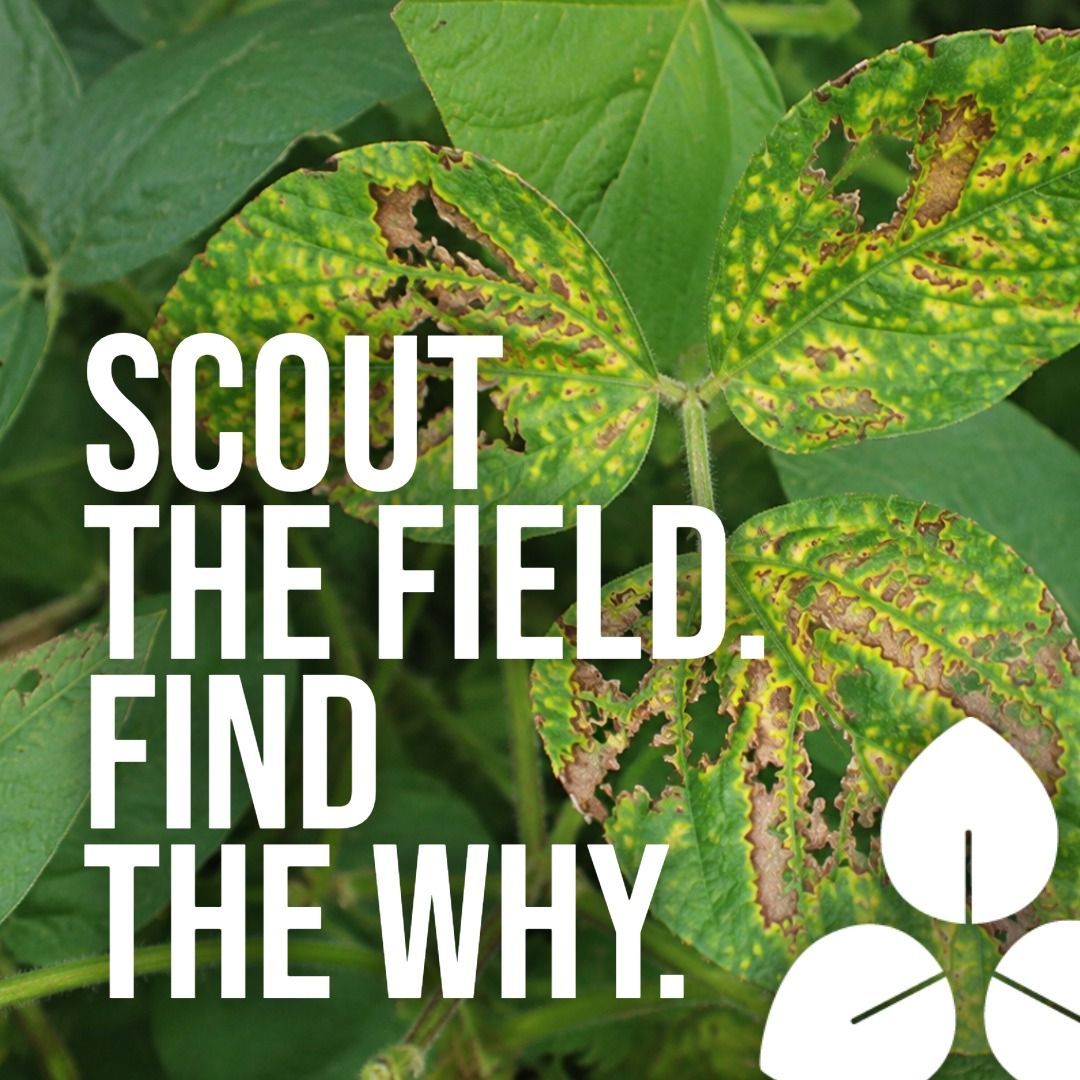
September is an important time to scout for Sudden Death Syndrome and soybean cyst nematode. Know the symptoms and plan your next steps.

Ruveon LLC provides the products, expertise, and financing solutions designed to support your operation. Lock in eligible participating products early to qualify for our low-interest fixed-rate offer and enjoy the confidence, flexibility, and value that come with planning ahead all season.
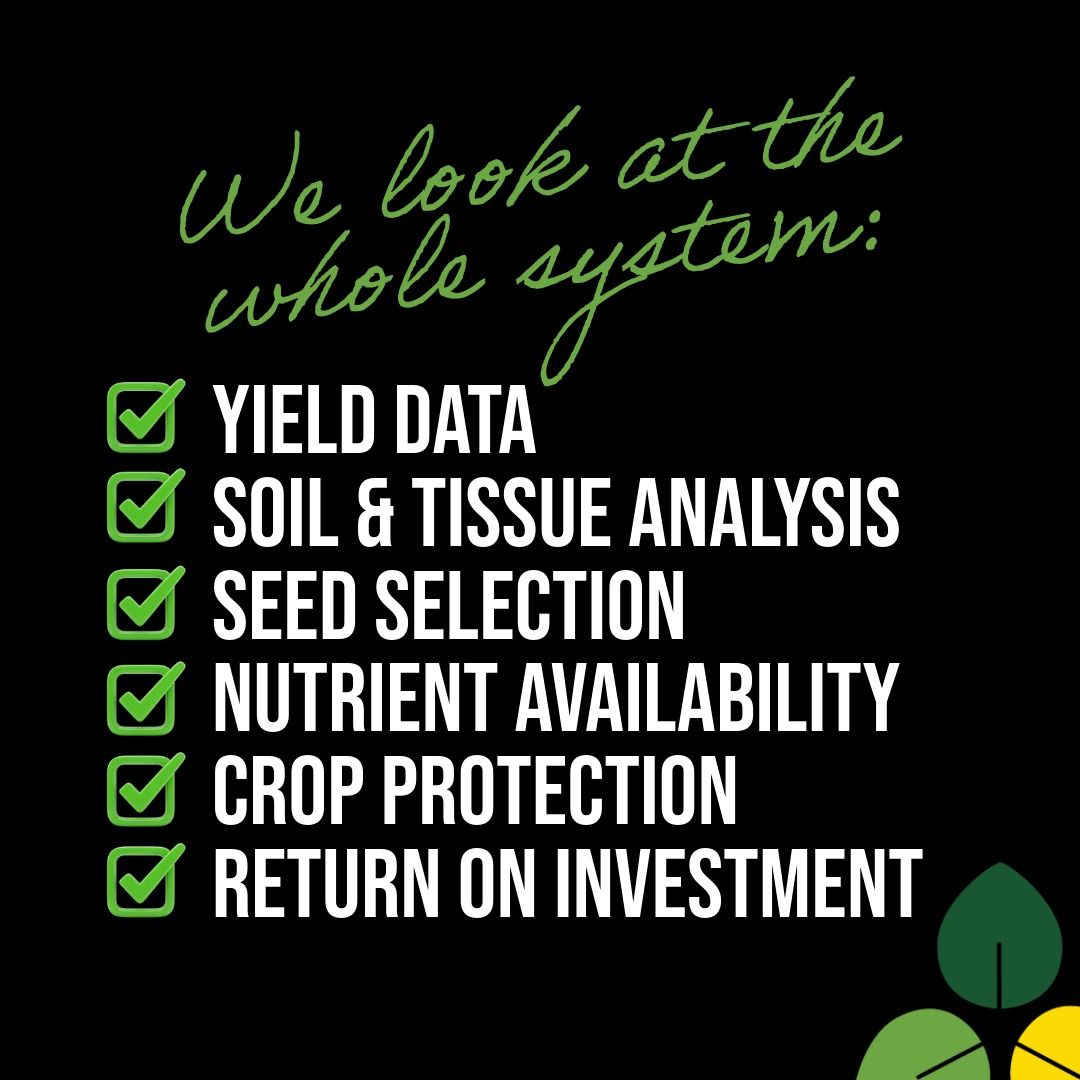
Harvest is more than a yield total. Learn how field-level data can guide smarter crop programs, improve ROI and uncover opportunities for 2027.

YieldOS™ by Yield Innovations and Seed IQ by Beck's Hybrids help turn information into actions. These AI-powered tools use a grower’s farm data to support decisions.
The new 2027 Yield Innovations TAPS program and product offerings are now available! Explore the newest system-based strategies, products, and agronomic solutions.
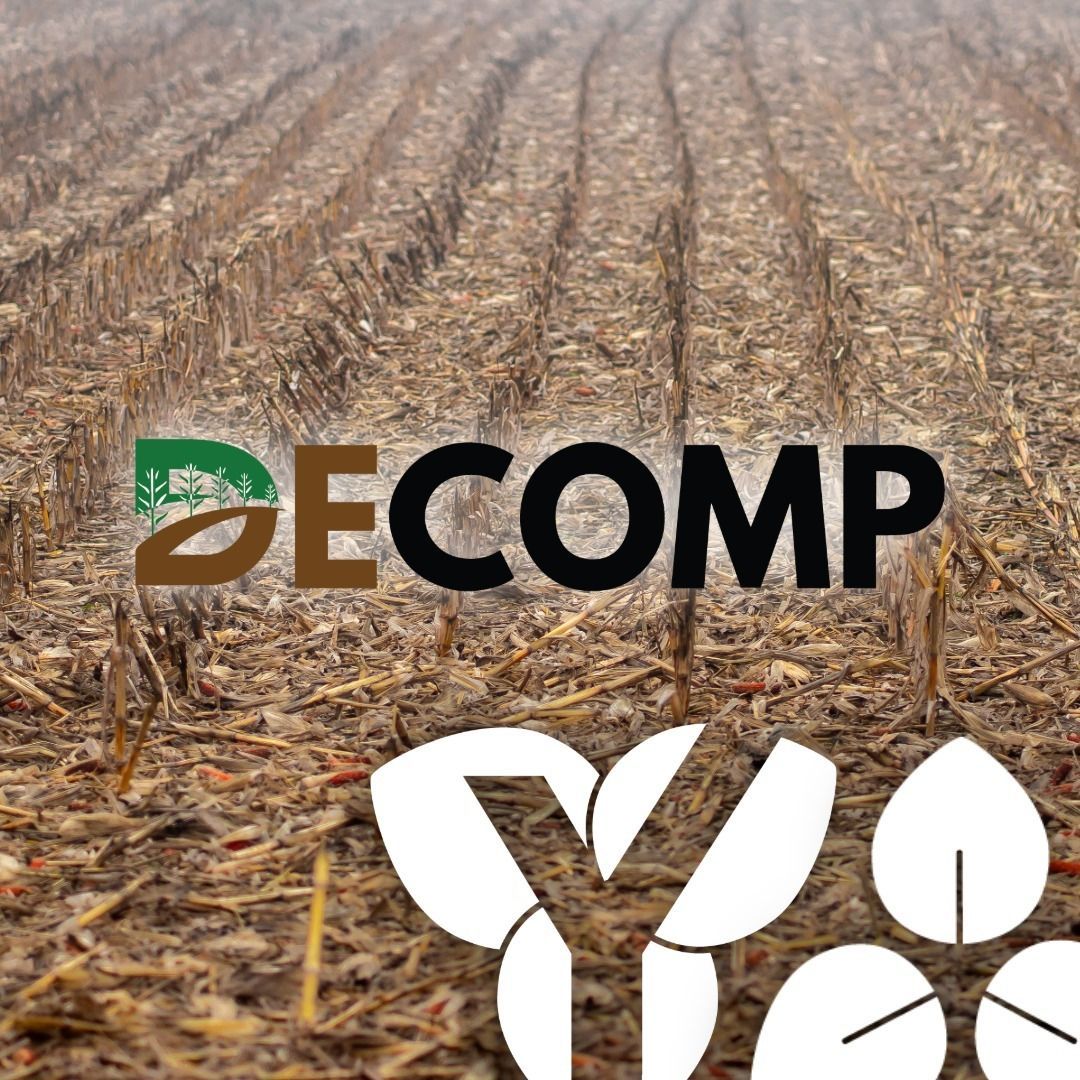
DECOMP by Yield Innovations supports residue breakdown and creates a more favorable environment for nutrient cycling, planting, and early-season crop development.