Nutrient Source: What Determines Performance
Tri-Ag • February 19, 2026

Once you know the analysis, the source often becomes the real performance driver.


Where a nutrient is derived from can impact:

  •  Availability (how quickly it becomes usable)
  •  Uptake pathway (root vs foliar)
  •  Loss potential (volatilization, leaching, tie-up)
  •  Compatibility (starter, in-furrow, foliar, tank mix)
  •  Stress performance (cool soils, dry conditions, high pH)

Two products can share the same analysis and still deliver very different results.


Source influences efficiency, timing, and reliability.


Analysis tells us how much we’re applying.


Source determines how much the crop actually gets.


That’s why we don’t sell nutrients based on analysis alone — and we don’t chase sources without understanding the numbers.

Recent Posts

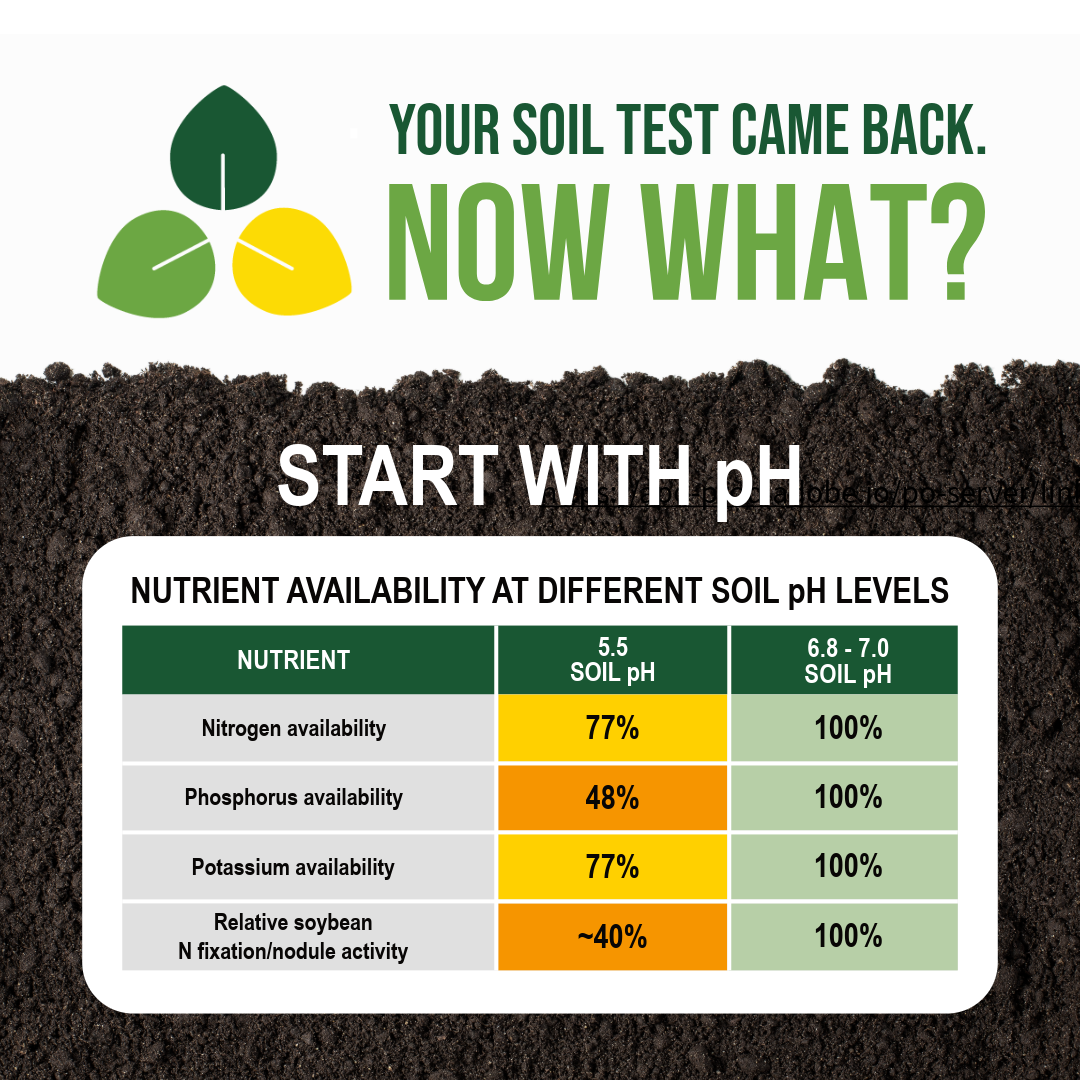
How Soil pH Affects Nutrient Availability
By Tri-Ag • October 6, 2026
Before investing in additional fertility, check your soil pH. See how pH can influence nutrient availability and soybean nodulation.
Before The Combine  Rolls... Take One More Walk
By Tri-Ag • October 1, 2026
Learn what to scout in corn and soybeans before harvest and how late-season observations can help prioritize fields and guide 2028 seed placement.
By Tri-Ag • September 29, 2026
Some fertilizer forms require considerably more soil moisture to dissolve and become available. That means nutrient source matters, especially during cool or dry conditions when moisture may limit nutrient release. Read more: https://www.yieldinnovations.com/spoon-feeding#water Tri-Ag can help you choose products designed to improve nutrient availability and plant uptake. #yieldinnovations
By Tri-Ag • September 24, 2026
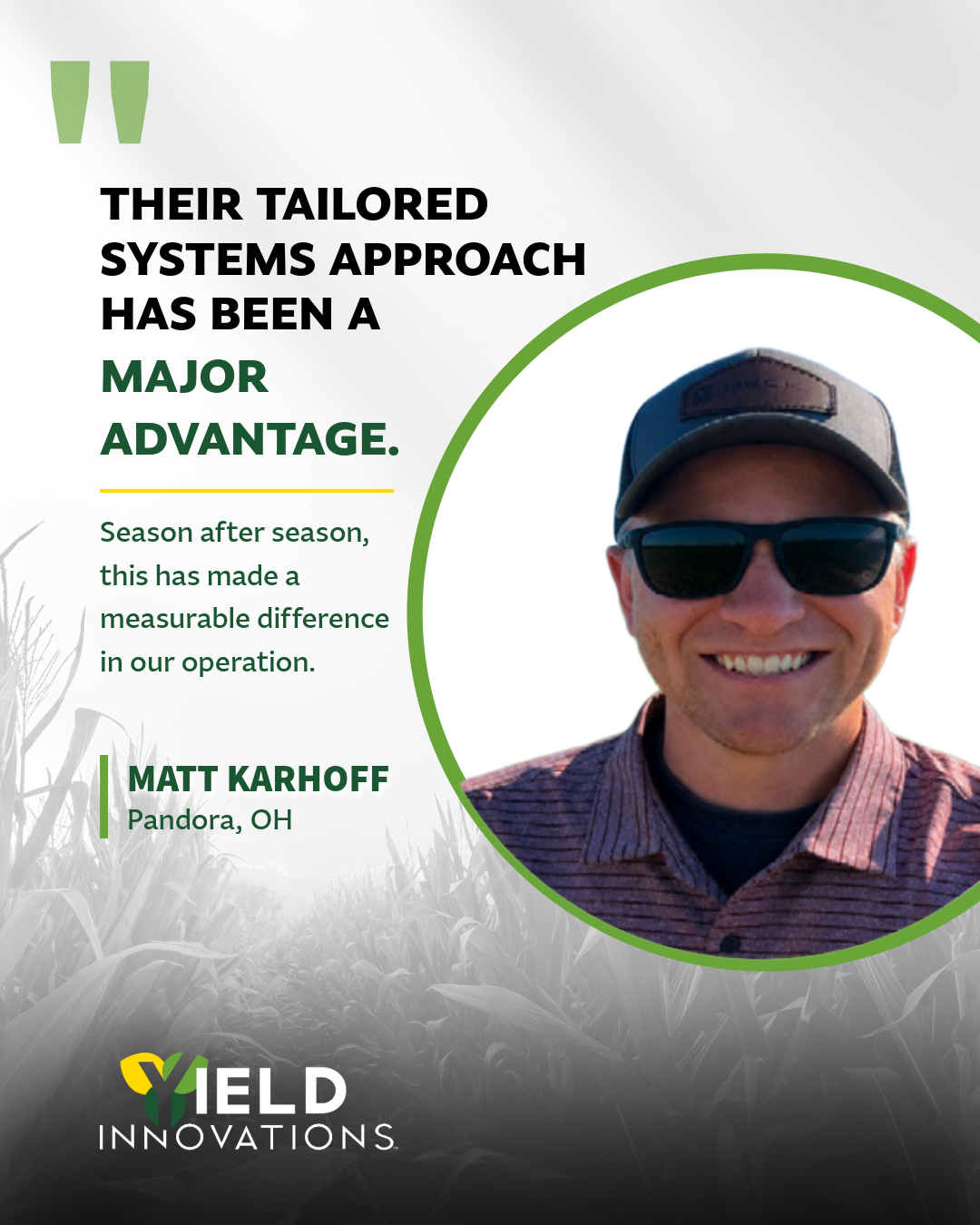
“We’ve worked with Yield Innovations for several years, and their tailored systems approach has been a major advantage. Their focus on nutrient uptake ensures the products we use reach the crop quickly and efficiently. Season after season, this has made a measurable difference in our operation.”
By Tri-Ag • September 17, 2026
Overapplying fertilizer can increase salt pressure around the seed and roots, making it harder for the plant to absorb water and nutrients. The right rate, source, timing, and placement help feed the crop without overwhelming it.
By Tri-Ag • September 16, 2026
Please join us in welcoming Kamari to the Tri-Ag team. We’re excited about the expertise, ideas and technology leadership he brings to the organization.
By Tri-Ag • September 15, 2026
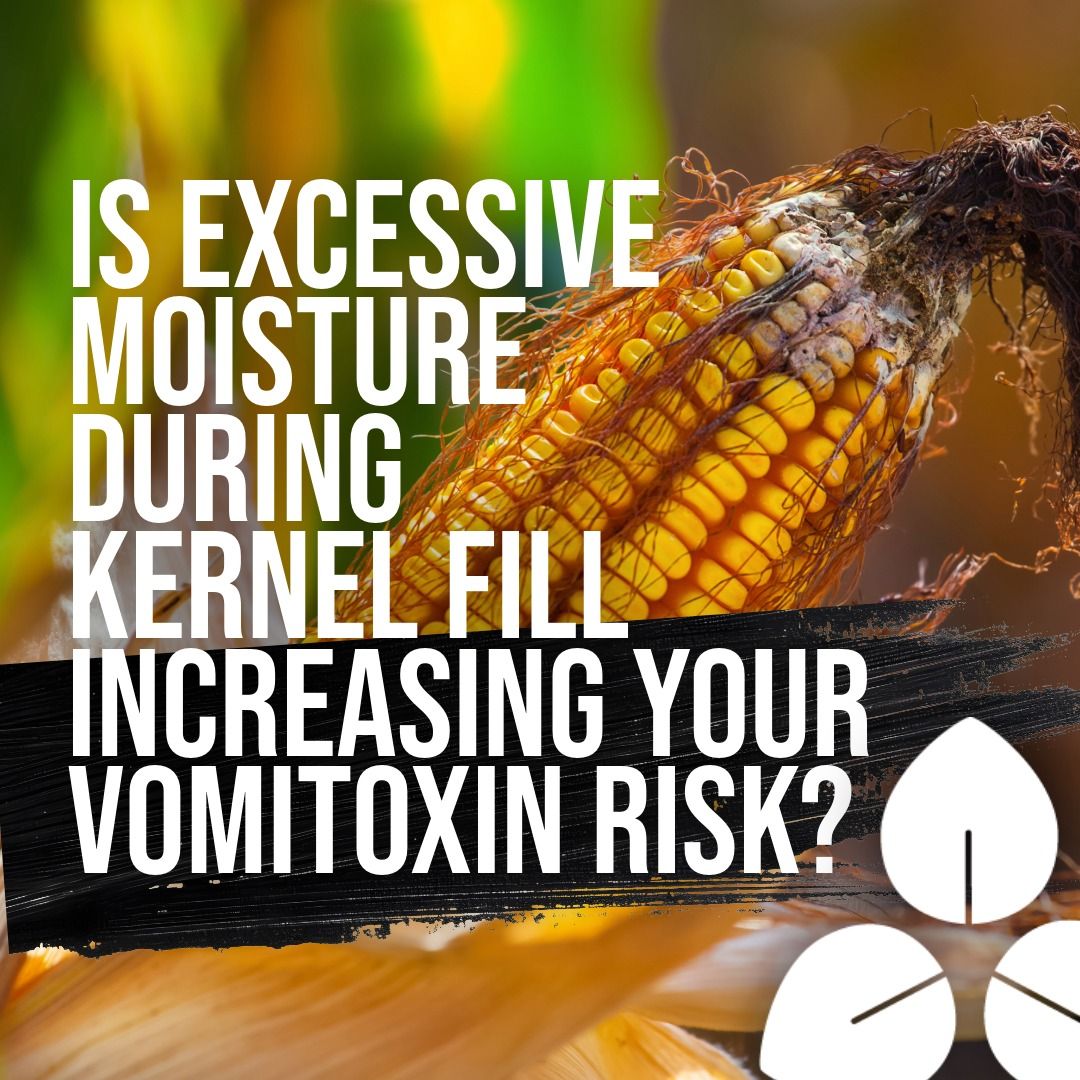
Excessive moisture doesn't automatically mean high vomitoxin, but it does mean it's time to scout. Look closely for Gibberella ear rot—especially in fields with a history of ear rot, wet conditions around silking, hail or insect damage.
By Tri-Ag • September 10, 2026
A fall burndown program may include products such as glyphosate, 2,4-D, dicamba, saflufenacil, metribuzin or other residual herbicides, depending on the weeds present, field history, crop rotation and soil characteristics.
Scout the field. Find the why.
By Tri-Ag • September 3, 2026
September is an important time to scout for Sudden Death Syndrome and soybean cyst nematode. Know the symptoms and plan your next steps.
By Tri-Ag • September 2, 2026
Ruveon LLC provides the products, expertise, and financing solutions designed to support your operation. Lock in eligible participating products early to qualify for our low-interest fixed-rate offer and enjoy the confidence, flexibility, and value that come with planning ahead all season.
Show More