


Explore the technology behind Yield Delivery and how NanoBond™ is designed to improve plant uptake, nutrient mobility and nutrient-use efficiency.

Get to know Tri-Ag's co-founder Todd Moore, from his 25-year supply chain career to his role at Tri-Ag and adventures outside of work.

Employment: Full time Location: London, OH Position Summary The Order to Cash Specialist owns the daily flow from customer order entry through invoicing, payment application, and resolution of open balances. This person keeps order and account information accurate, follows up promptly on exceptions, and helps sales, operations, and accounting provide reliable service to farmers and Yield Consultants. The role suits someone who enjoys detailed transaction work and can communicate clearly when an order, delivery, invoice, or payment needs attention. Key Responsibilities Receive, review, and enter orders; verify customer details, products, quantities, pricing, discounts, tax treatment, payment terms, and requested delivery dates. Confirm order requirements and coordinate with sales, supply chain and logistics to address availability, changes, holds, and delivery questions. Assist with the creation and execution of customer deliveries. Maintain accurate order status and customer records; document changes and communicate exceptions before they become shipment or billing problems. Generate and review invoices against orders and proof of delivery; resolve pricing, quantity, freight, credit, return, and billing discrepancies. Track customer financing and cash payment arrangements, including John Deere Financial transactions where applicable; verify required documentation and reconcile funding status. Post and apply payments, investigate unapplied cash and short payments, and reconcile customer accounts. Monitor accounts receivable aging, contact customers and consultants about past due items, document follow-up, and escalate credit or collection decisions under company policy. Process approved credits and adjustments with supporting documentation and appropriate authorization. Identify recurring errors or delays and improve the order to cash process, controls, and handoffs with the teams involved.

Use fall soil tests to evaluate phosphorus and potassium levels, understand critical levels and build a more targeted fertility plan for 2028.

Join us December 10 for the Tri-Ag 2026 Yield Summit! Discover the latest agricultural research, expert crop protection strategies, and innovative farming practices.

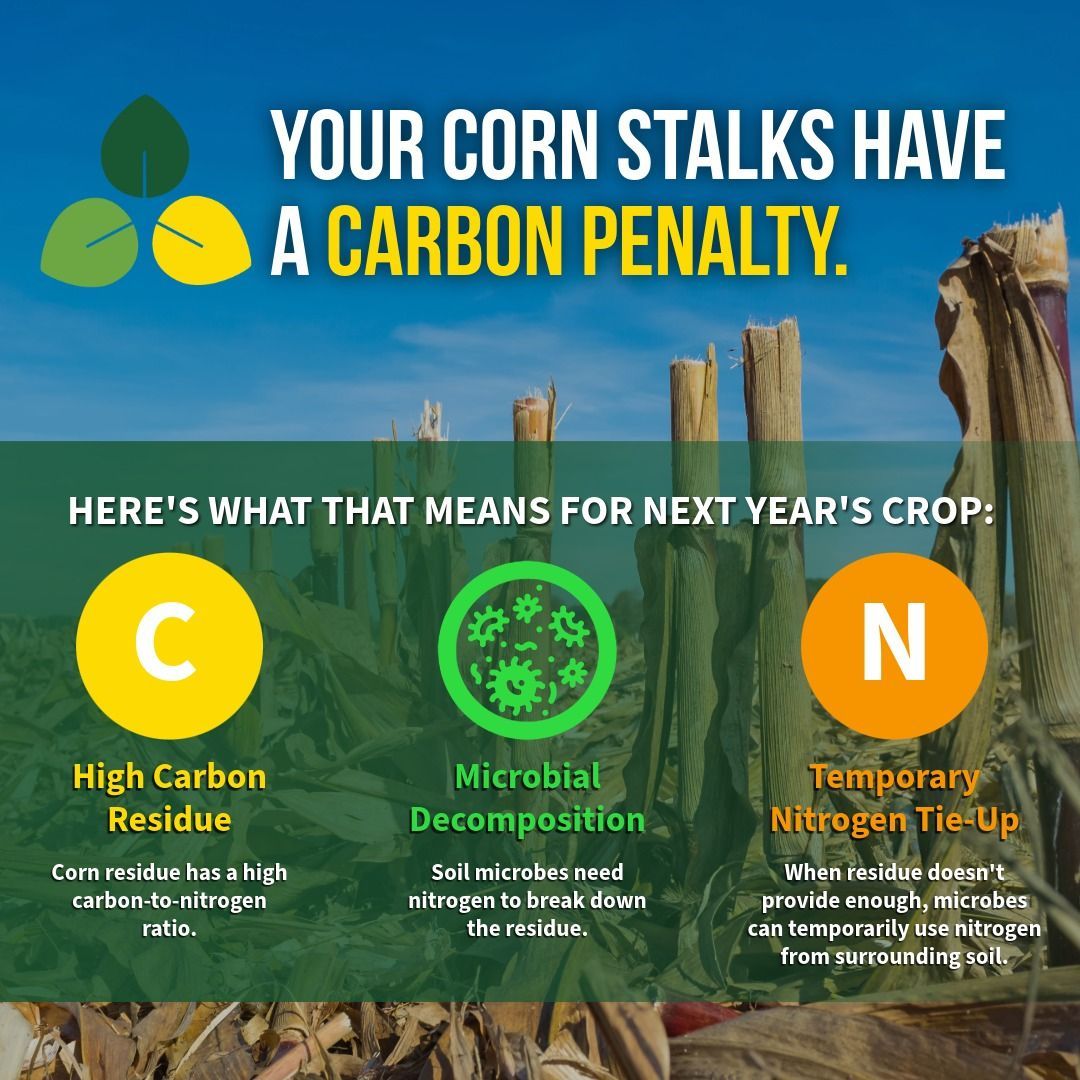
Learn how fall corn residue management with Decomp™ can support residue breakdown, nutrient recycling and cleaner planting conditions next spring.
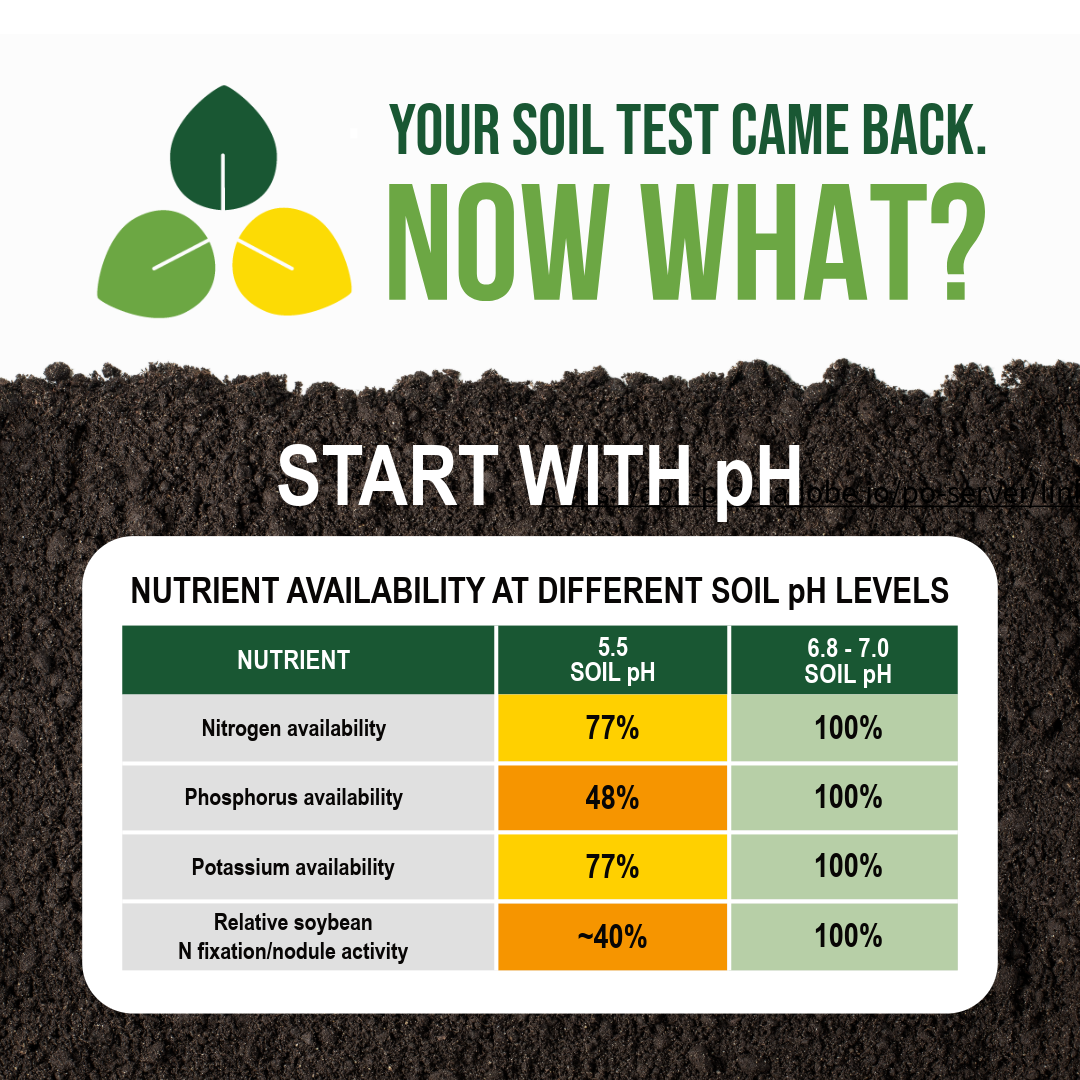
Before investing in additional fertility, check your soil pH. See how pH can influence nutrient availability and soybean nodulation.

Learn what to scout in corn and soybeans before harvest and how late-season observations can help prioritize fields and guide 2028 seed placement.

Some fertilizer forms require considerably more soil moisture to dissolve and become available. That means nutrient source matters, especially during cool or dry conditions when moisture may limit nutrient release. Read more: https://www.yieldinnovations.com/spoon-feeding#water Tri-Ag can help you choose products designed to improve nutrient availability and plant uptake. #yieldinnovations
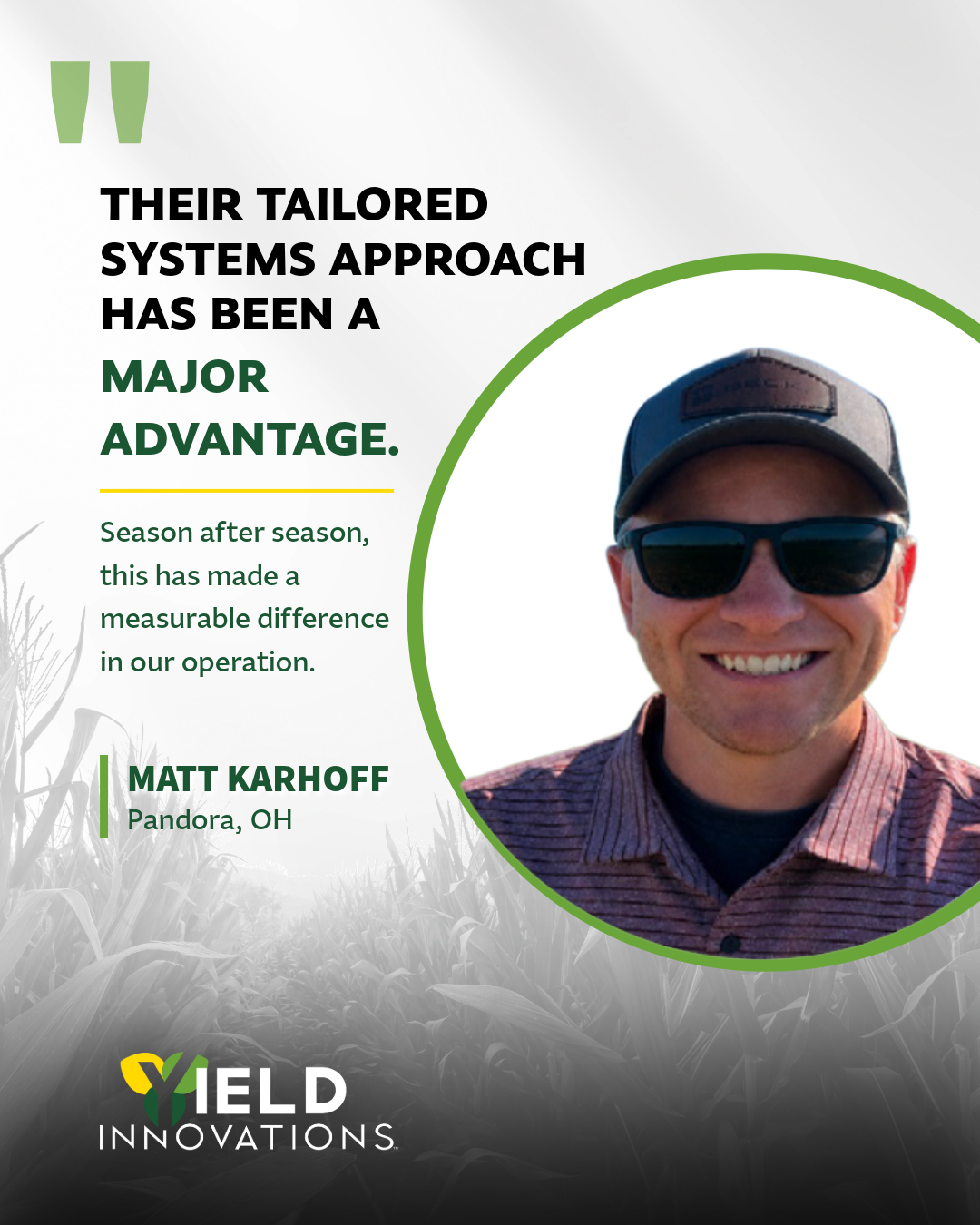
“We’ve worked with Yield Innovations for several years, and their tailored systems approach has been a major advantage. Their focus on nutrient uptake ensures the products we use reach the crop quickly and efficiently. Season after season, this has made a measurable difference in our operation.”